
One-on-one with a licensed specialist who takes your body through ranges of motion you haven’t felt in years.
Static stretching alone doesn’t move the needle. Your body has compensation patterns – tightness in one area pulling on another, restricted mobility you’ve stopped noticing because it became normal. Our licensed stretch specialists work with you hands-on to identify and release those patterns, restoring range of motion, reducing the chronic tension that’s been limiting you, and rebuilding the movement quality your body was designed for.
Every session is personalized. Every sequence is built around where you are, not where someone else is.
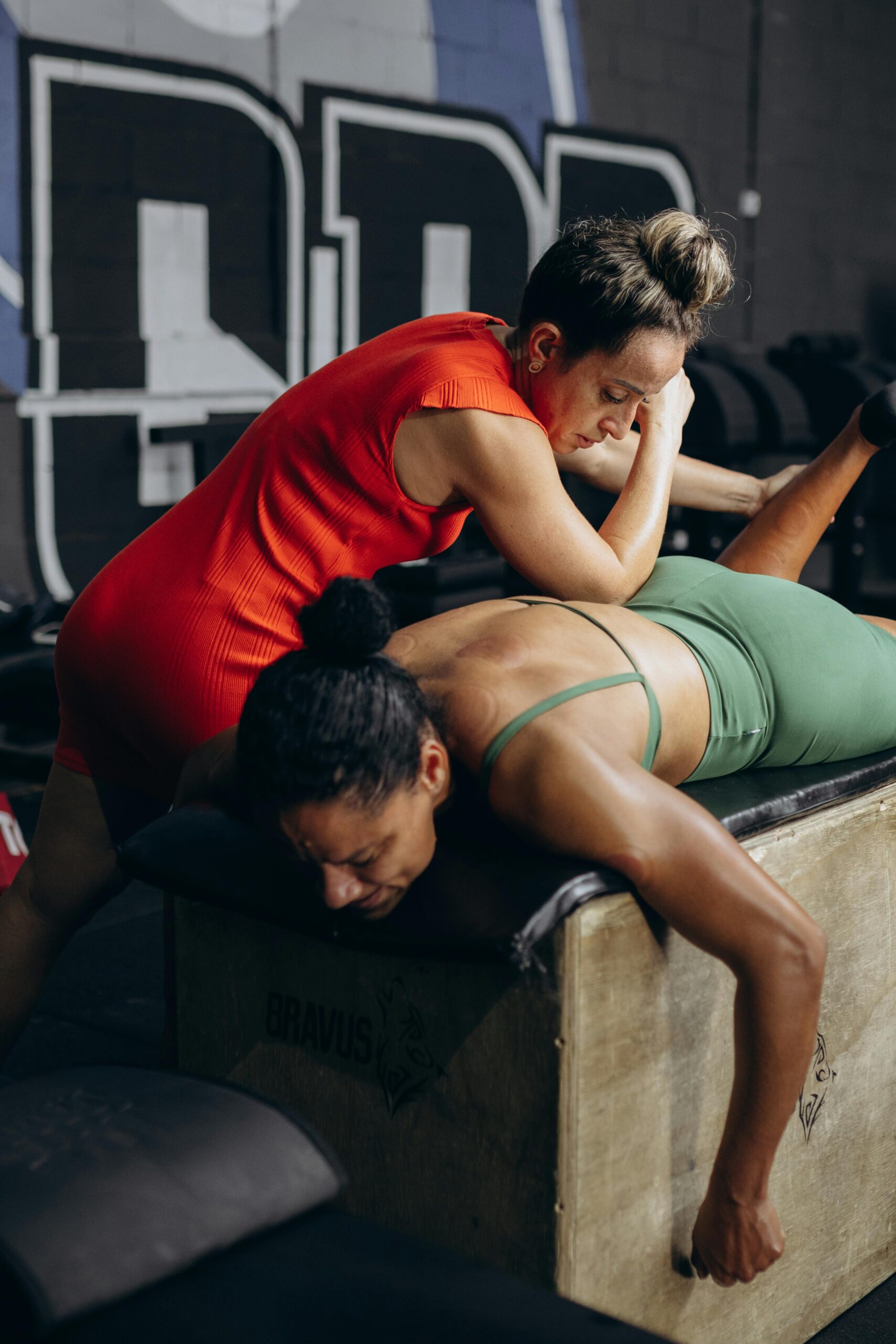
Your session begins with a brief assessment; your specialist will ask about your goals, any current tightness or discomfort, and recent injuries or surgeries. Based on that, they’ll build a sequence targeting the areas your body needs most.
Throughout the session, your specialist guides your body through each stretch passively – you relax and breathe while they control the movement, depth, and duration. You’ll be in complete comfort throughout. The goal is never pain; it’s finding the productive edge of each movement and working there.
Sessions run 60 minutes. Wear comfortable, loose clothing. No special preparation required.
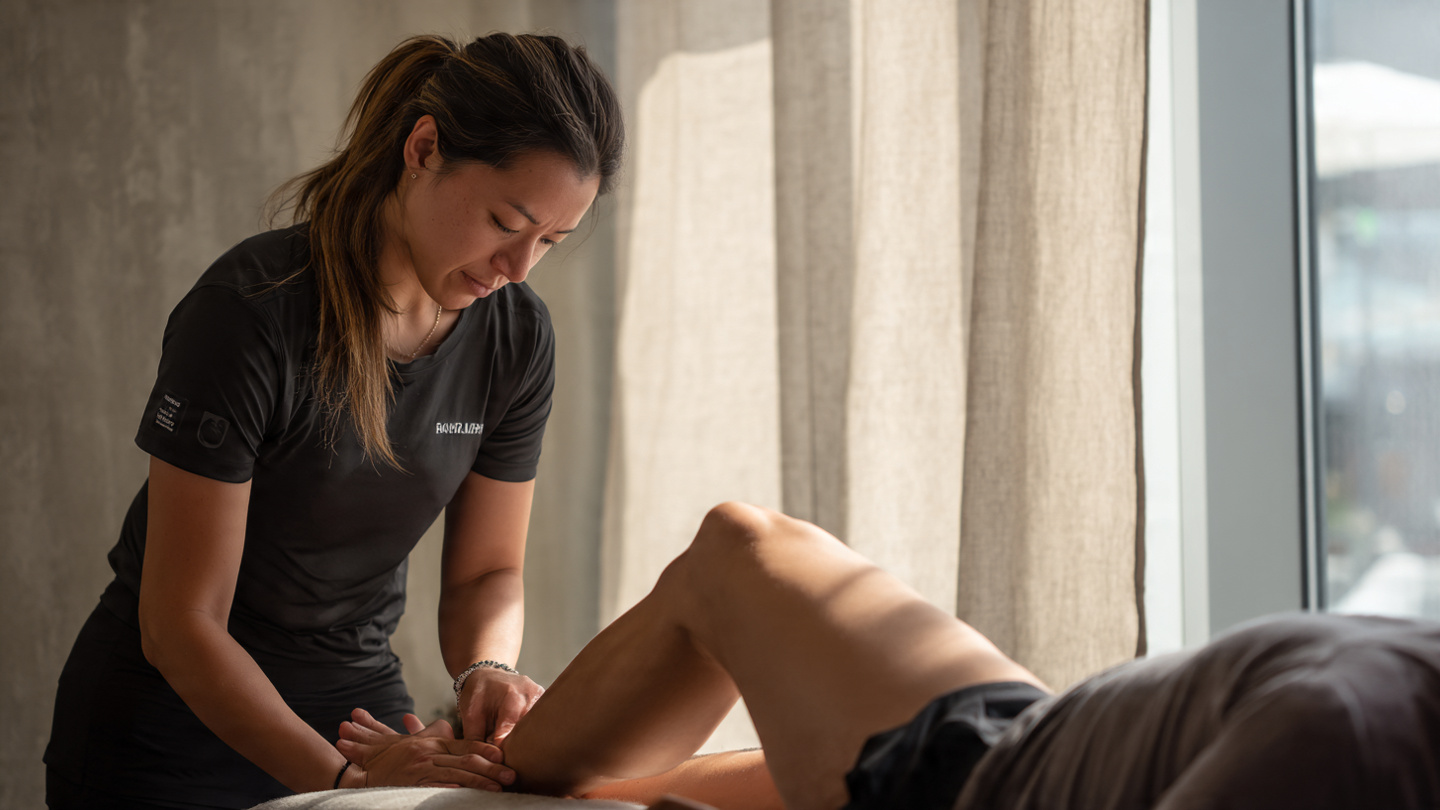
Regular assisted stretching is one of the most effective tools for maintaining the range of motion and tissue health that heavy training progressively erodes. Whether you're in-season, post-season, or building a base — flexibility maintenance between training blocks directly protects performance and reduces injury risk.
Eight hours at a desk compresses the hip flexors, rounds the shoulders, and loads the cervical spine in ways that accumulate over months and years. A single assisted stretch session targeting these patterns produces immediate postural relief. A consistent practice reverses the damage.
Working with a licensed specialist means your session is designed around your specific history, not a generic protocol. If you have a shoulder, back, hip, or knee issue, your specialist will build a sequence that supports healing and mobility without aggravating what's already present.
Working with a licensed specialist means your session is designed around your specific history, not a generic protocol. If you have a shoulder, back, hip, or knee issue, your specialist will build a sequence that supports healing and mobility without aggravating what's already present.
Please tell your specialist about any recent injuries, surgeries, or conditions before your session begins. This ensures your sequence is built appropriately for your body.
Red light therapy stimulates cellular repair in muscle and connective tissue at the biological level; assisted stretching works that same tissue mechanically, restoring length and reducing adhesion. Together they address recovery from two complementary angles. Red light first activates cellular repair processes that stretching then reinforces and extends.
Compression reduces the fluid retention and swelling in soft tissue that mechanically limits range of motion making the stretching session that follows more effective from the very first movement. The tissue is looser, more pliable, and more responsive. Compression first, stretching second. This is the most efficient mobility-focused sequence in the studio.
Localized cryotherapy targets specific joints or muscle groups that are acutely sore or inflamed. Applying cold to a targeted area before stretching reduces pain signals that would otherwise limit your range during the session allowing the specialist to work deeper without discomfort. Cryo first, stretching second. Particularly effective for clients with a specific problem area.
Assisted stretching sessions at Body Reset Recovery are available in Clinton, MD – serving Prince George’s County, Charles County, and Southern Maryland.
One-on-one sessions with a licensed professional run 55 minutes at $149. Renew members receive 30% off every booking.
Q: What is assisted stretching?
A: Assisted stretching is a one-on-one session with a licensed specialist who takes your body through targeted ranges of motion you cannot reach alone. Unlike static self-stretching, our specialists use evidence-based techniques to achieve depth and duration of stretch that produces measurable, lasting improvements in flexibility, mobility, and pain levels. Sessions run 55 minutes at Body Reset Recovery in Clinton, MD.
Q: How is assisted stretching different from stretching on my own?
A: Certain areas of the body, like deep hip flexors, thoracic spine, posterior shoulder capsule, piriformis, require external assistance and specific angles to release fully. Self-stretching rarely reaches these areas effectively. A licensed specialist also identifies compensation patterns – tightness in one area pulling on another – that self-stretching cannot address. Most clients notice meaningful improvement in their first session that months of self-stretching hadn’t produced.
Q: What should I expect during a session?
A: Your session begins with a brief assessment – your specialist asks about your goals, any current tightness or discomfort, and recent injuries. They then build a sequence targeting your specific needs. Throughout the session, you relax and breathe while the specialist controls the movement, depth, and duration. Sessions are never painful. The goal is finding the productive edge of each movement and working there.
Q: How much does an assisted stretching session cost?
A: Assisted stretching sessions are $149 for 60 minutes at Body Reset Recovery. Renew members receive 30% off every booking = $104.30 per session. It is also available as part of a Day Pass combination.
Q: How often should I do assisted stretching?
A: For members addressing a specific issue, like chronic tightness, post-injury recovery, significant mobility restriction, weekly sessions for the first 4–6 weeks produce the most significant results. For maintenance, most members find one session every 2–4 weeks sufficient to preserve the gains.
Q: Is assisted stretching safe for people with injuries?
A: Yes, with appropriate disclosure. Tell your specialist about any current or recent injuries, surgeries, or conditions before your session begins. Your sequence will be built around your specific history, not a generic protocol. Assisted stretching is particularly effective for people returning from injury because it can target mobility work around a healing site without aggravating it.
Before You Go!
Founding member pricing is $12.99/week for life. Once Body Reset opens this summer, that rate is gone. It takes 1 minute to lock it in.
Founding Member Rate
$12.99/week